

Remember when having an engineering degree practically guaranteed you a job?
Yeah, those days are gone, like floppy disks and fax machines.
I recently had a fascinating chat with Abhay, an HR veteran with 16+ years of experience hiring engineering talent at firms like WSP and Ramboll.
And honestly?
The conversation was equal parts terrifying and enlightening.
???? The Brutal Truth: Why Engineering Jobs Are Becoming a Bloodbath
Let's not sugarcoat this.
The competition for design engineering positions has turned into something resembling The Hunger Games, minus the cool outfits and plus a lot more rejection emails.
Why?
A few uncomfortable truths:
1. The Bachelor's Degree Devaluation
Remember when your parents said "just get a degree"?
Well, that advice aged like milk.
Abhay dropped this bomb:
"Nowadays, many companies are discouraging that after BTECH you can join as a design engineer in any organization.
Almost 90% engineers we're taking as a fresh engineer have master's.
It's mandatory."
Ouch.
Your four-year degree has essentially become the new high school diploma.
2. The Software Arms Race
Back in the day, knowing AutoCAD made you special.
Now?
It makes you baseline.
Companies expect proficiency in specialized software like Civil 3D for highway design or Revit for structural work, plus project management tools, filing systems, and collaboration platforms.
3. AI is Filtering You Out
Remember that carefully crafted cover letter you spent hours on?
It might never see human eyes.
As Abhay revealed:
At present, even though AI is in the starting stage (at least in HR space), they use it for filtering CVs and applications matching their required keywords 60-70 percent of the times, they are sent through the filter.
If your resume doesn't have the right keywords, you're essentially invisible.
???? The Breakthrough Strategy: How to Beat 99% of Applicants
Here's the plot twist though.
Most of your competition is playing the game all wrong.
And that's your opportunity.
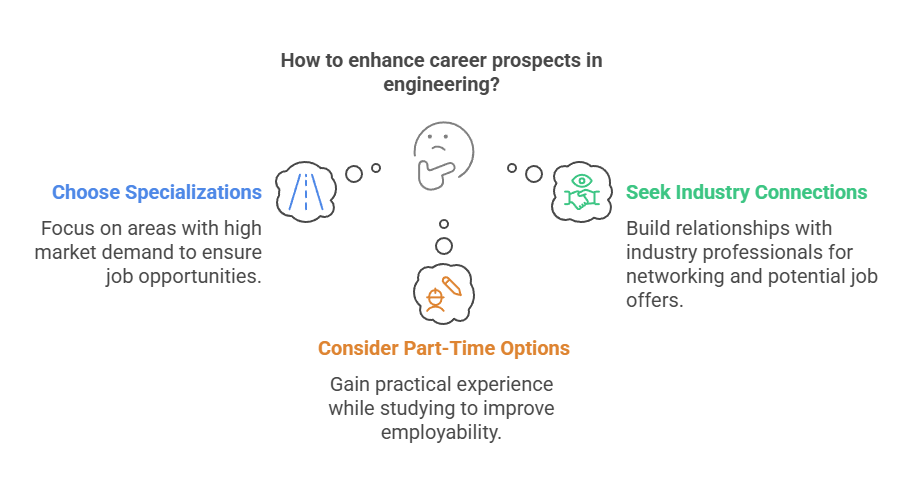
Step 1: Get Specialized Education (But Be Strategic)
The master's degree requirement isn't going away, but you can be smart about it:
Step 2: Master The Software That Actually Matters
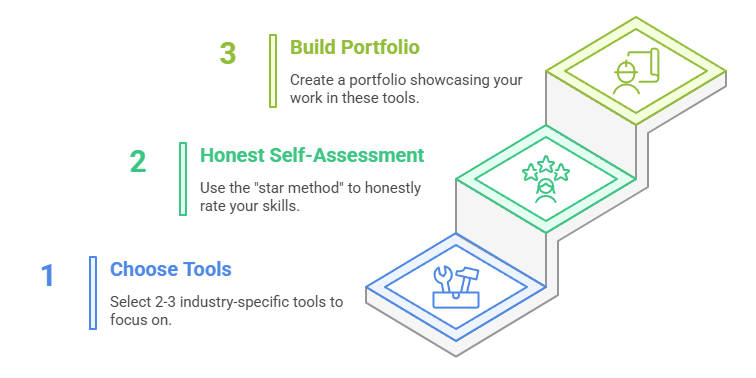
Stop listing seven different programs you're "proficient" in (nobody believes you). Instead:
As Abhay noted:
"In highway design, nowadays, the basic software is Civil 3D. Earlier, it was MX Road."
Know what's current in your field.
Step 3: Hack The ATS (Applicant Tracking Systems)
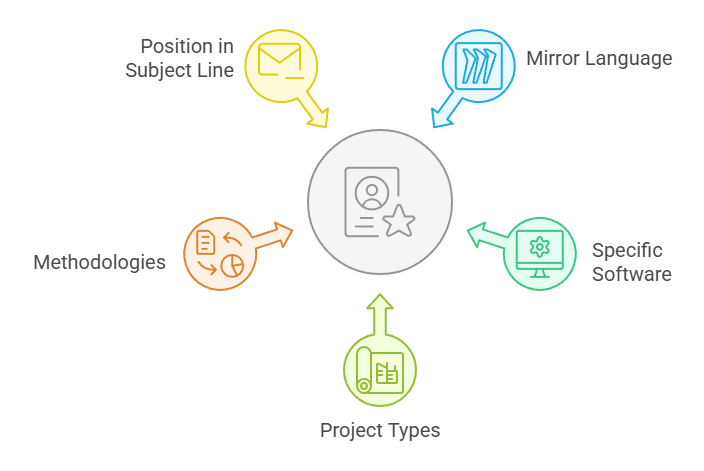
Your application needs to survive the robot overlords before a human ever sees it:
Abhay's golden trick:
"If we get 500 CVs, it would be easy for us if they just write role they are applying for like 'CV for highway design engineer' in the subject."
Such a simple thing that 40-50% of applicants don't do!
Step 4: Show Your Learning Aptitude
This was Abhay's most repeated point:
Companies actually prefer someone who's 60-70% qualified but eager to learn over someone who's technically perfect but rigid.

In interviews, don't fake knowledge:
???? The Career Trajectory Truth Bomb
If you're debating between site work and design, Abhay dropped this reality check:
"Starting work at the site is quite easy... but in the long run, the life of design engineers is easier, and they're getting good hikes and better opportunities."
The real kicker?
"Whenever you see the leaders of the organization, almost 80-90% are from design backgrounds."
That's not just career advice; that's insider intel on where to focus your efforts.
???? Next Steps: Your Engineering Career Emergency Kit
Whether you're fresh out of school or looking to pivot within the industry, here's your immediate action plan:
- Audit your resume for the "deadly sins" (too long, vague project descriptions, no keywords)
- Research master's programs in your target specialization
- Pick 2-3 software programs to truly master (quality > quantity)
- Apply through company websites and LinkedIn (shows you've done your homework)
- Be bluntly honest about your experience and deeply enthusiastic about learning
The engineering job market is tougher than ever.
But with the right strategies, you can be the one who makes it through the HR filter while everyone else gets screened out.
Next time you apply to that dream position, remember Abhay's insider advice.
It might just be the difference between another rejection and finally getting that "We'd like to schedule an interview" email.
Until next time, keep designing your future with intention!
P.S: Have burning questions about your engineering career?
Drop them in the comments below and I will try my best to answer them.